

Managing linen is one of the tasks that requires the most organisation in a hotel. Sheets, towels, tablecloths, uniforms and other textiles must always be available and in optimal condition to ensure guests' comfort. Meeting this need requires constant work, especially in hotels with high occupancy or a high turnover of guests.
For years, many establishments have handled the entire process of washing, drying, ironing and preparing linen in-house. However, the development of specialist services has made outsourcing industrial laundry an increasingly attractive alternative. This change allows hotels to optimise resources and devote more effort to their core business.
How does the industrial laundry process for hotels work?
“The treatment of hotel linen involves different stages that require specialised machinery, hygiene protocols and trained staff,” according to Bugaderia Garraf. The first stage is collecting and sorting the items. Textiles are separated according to fabric type, level of soiling, colour and treatment requirements.
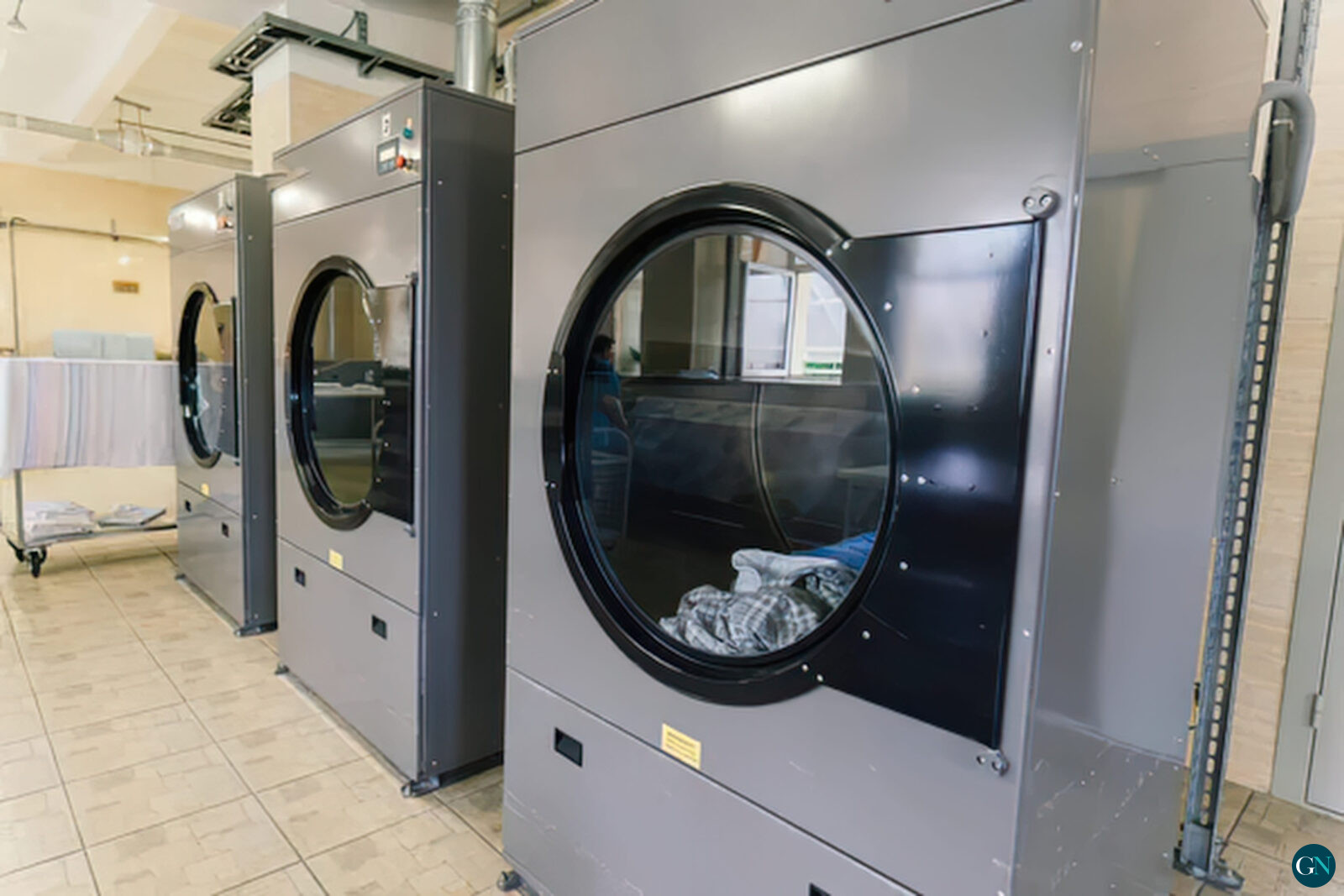
The washing process then begins. Industrial facilities have large-capacity washing machines that can handle high volumes of laundry. The temperature, detergents and programmes are adapted to the characteristics of each item to ensure proper cleaning and preserve its quality.
After washing, the items move on to the drying stage. Ironing, folding and finishing systems are then used to prepare the textiles for return to the establishments.
Quality control is another essential step. Before the laundry is delivered, the items must be checked to ensure they are clean, dry and in good condition. It is also important to maintain proper traceability to prevent losses and ensure that each hotel receives the items belonging to it.
Outsourcing: a change in hotel management
The option of hiring an industrial laundry service for hotels has transformed the way many establishments manage their linen and other textiles.
One of the main advantages is a reduction in the investment required. Maintaining an in-house laundry involves having industrial machinery, suitable facilities, ventilation systems and supplies, as well as paying for repairs and maintenance. With outsourcing, these costs become part of the contracted service.
It also provides greater operational flexibility. Hotels can adjust the volume of laundry handled to match occupancy in each season, an especially important consideration in tourist destinations with sharply contrasting periods of activity.
In addition, specialist companies use standardised processes and professional equipment. This makes it easier to maintain consistent standards of hygiene, quality and presentation, regardless of the volume of items to be treated.
Outsourcing also frees up space within hotels, allowing them to use the facilities for other purposes. At the same time, it enables in-house teams to focus their efforts on guest services, maintenance and the day-to-day management of the establishment.
In short, industrial laundry has become a strategic service for the hotel sector. Professional processes and the option of outsourcing them help improve organisation, control costs and ensure that something as essential as linen is always ready for guests' arrival.