
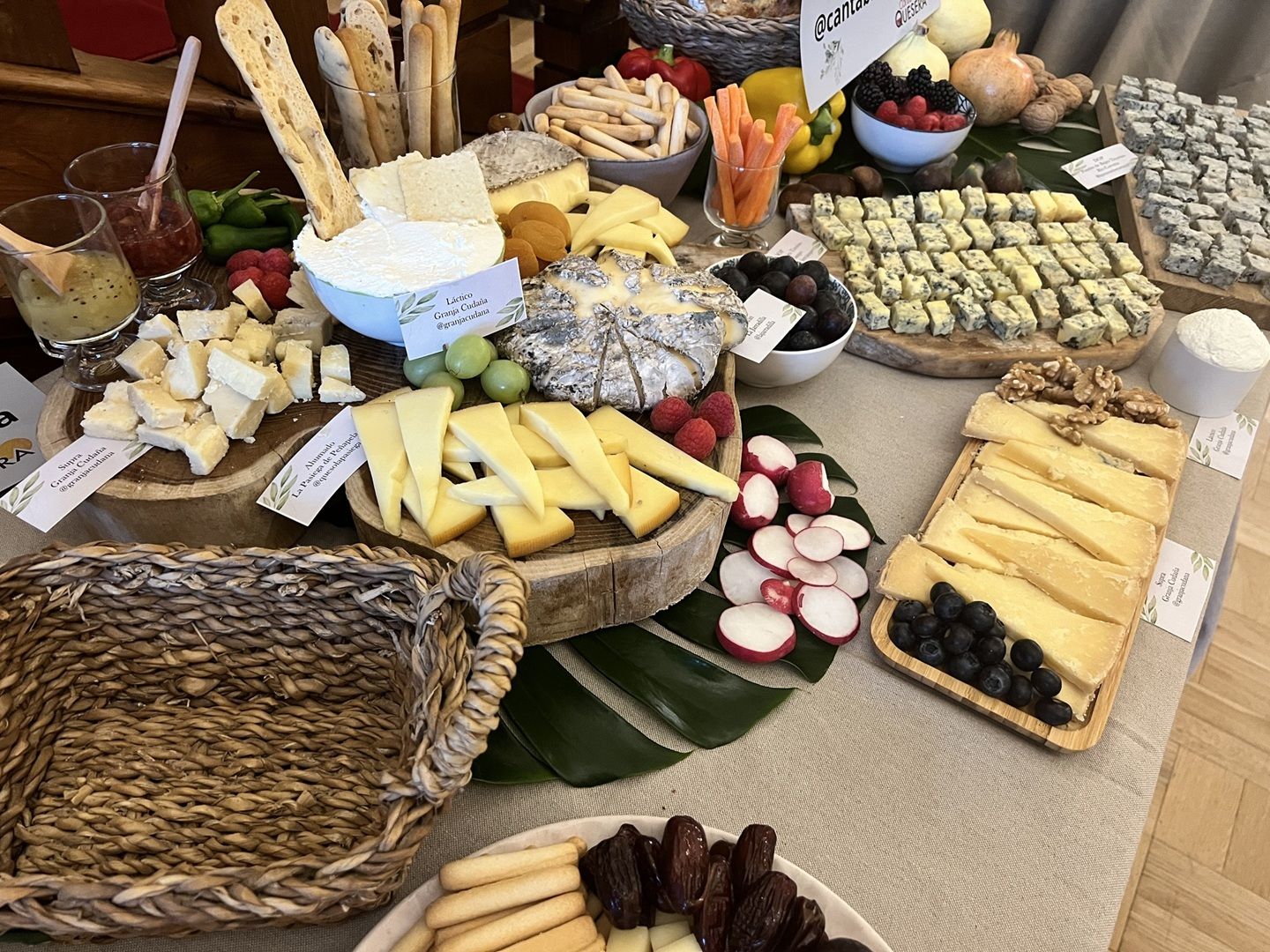
Cantabria Quesera brings its pantry to the national wine map with a technical pairing guide for enjoying at home
For those who enjoy opening a good bottle of wine at home, Cantabrian cheeses offer a table companion worth discovering. To help consumers make the right choice without technical complications, Cantabria Quesera proposes a simple guide connecting its cheeses with the country’s most familiar wine appellations. The association offers practical tips for pairing the region’s diverse dairy products—from fresh cheeses and queso de nata to quesucos de Liébana and Picón Bejes-Tresviso—with familiar choices such as albariño, verdejo, rioja or fortified wine, bringing tasting expertise to any gathering at home.
A companion for every glass
Fresh cheeses and Pasiego-style lactic cheeses, known for their soft texture and clean acidity, find their best counterpoint in lively young whites. Wines from appellations such as Rías Baixas (albariño) or Rueda (verdejo) cleanse the palate of residual milk fat with their citrus freshness and herbal notes, respecting the delicacy of the cheese without masking it.
The rich texture and sweet notes of PDO Queso Nata Cantabria, along with young and semi-aged cow’s milk cheeses, call for avoiding astringent reds that disrupt their buttery texture. Here, the fine bubbles of traditional sparkling wines (aged brut nature cava or corpinnat) and the glyceric richness of lees-aged whites, such as godellos from Galicia or El Bierzo, provide the volume needed to complement the fat without overwhelming the palate.
For semi-aged cheeses covered by the PDO Quesucos de Liébana, the structure of barrel-fermented white Rioja or the upfront fruit of light-bodied garnacha reds from Gredos or Calatayud complements the cheese without the heaviness of intrusive oak. Smoked quesucos, meanwhile, find a natural match in fresh Atlantic mencía reds, whose lively acidity and balsamic undertones balance the wood-smoked nuances without drying out the palate.
For long-aged, firm cheeses made from the milk of sheep and goats grazing in the mountains, the protein concentration allows for substantial reds such as tempranillo crianzas and reservas from areas like Ribera del Duero or Rioja. Finally, the intensity of cave-aged blue cheeses, led by PDO Picón Bejes-Tresviso, rules out conventional reds because of the bitter clash between salt and tannin. Instead, they demand fortified wines: the sweet, dense contrast of a Pedro Ximénez or the dry, pungent complexity of a Palo Cortado or an aged Oloroso from Jerez.
Cantabria Quesera
Behind this guide to discovering Cantabrian cheeses alongside favourite wines is Cantabria Quesera, a community of cheesemakers founded in 2022 with the vision of bringing together the region’s artisan producers. It comprises El Carmen Lácteos, Granja Quesería Cudaña, La Jarradilla, Quesería Tresgallo, La Pasiega de Peña Pelada, Quesos de Ruesga (La Estela and Peña Quebrada), Queso Las Garmillas, La Lleldiría, Río Deva, Quesoba, Granja Quesería El Pendo, Quesería Artesanal Siete Villas, Quesería Javier Campo, Quesería Río Corvera, Quesería Tasugueras, Quesería El Bardal and Queserías Lebanes.