
Different ways to study secondary school: a look at international education models
Comunicados | 25/11/2026 | 16:00 ·
Comunicae
Comunicados | 25/11/2026 | 16:00 ·
Comunicae
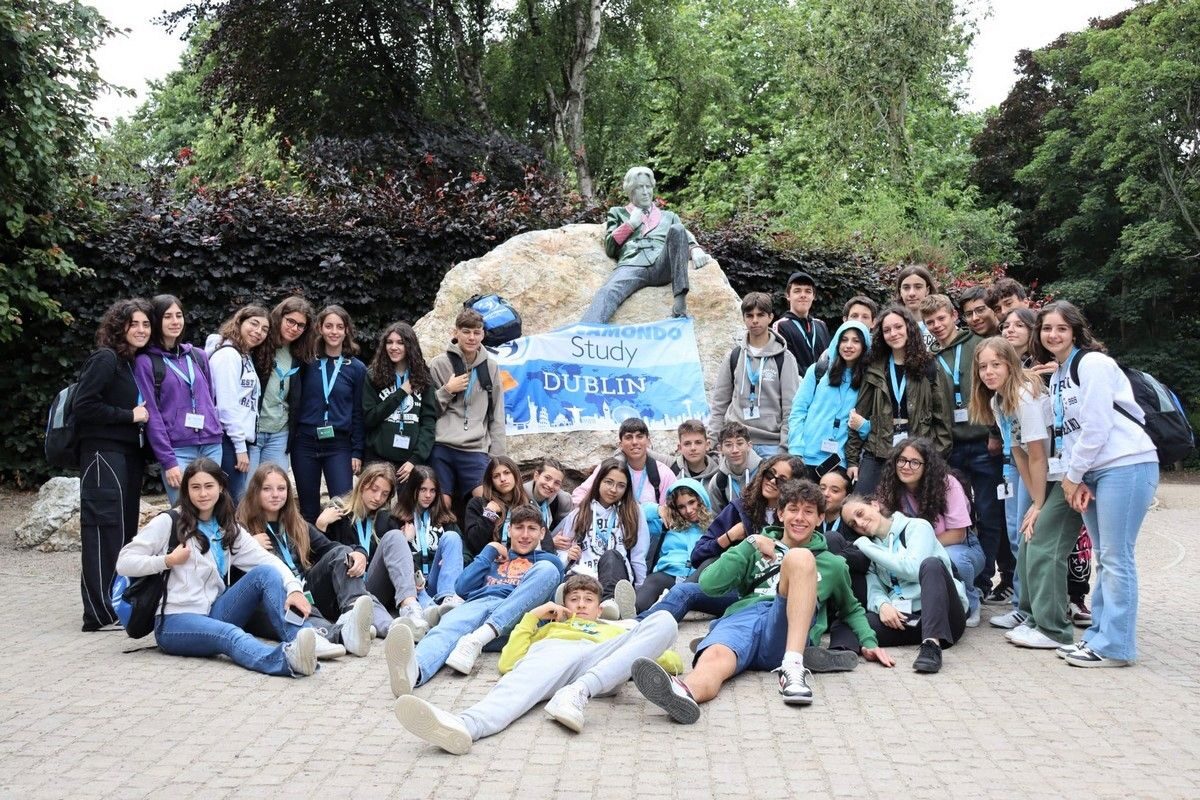
Different pathways, more elective subjects and new ways of assessing students: studying secondary school outside Spain opens the door to other ways of learning and choosing one's future. Giocamondo Study examines the differences between international education systems and offers guidance to help students adapt to new subjects, methods, routines and ways of living together during their academic and cultural experience abroad
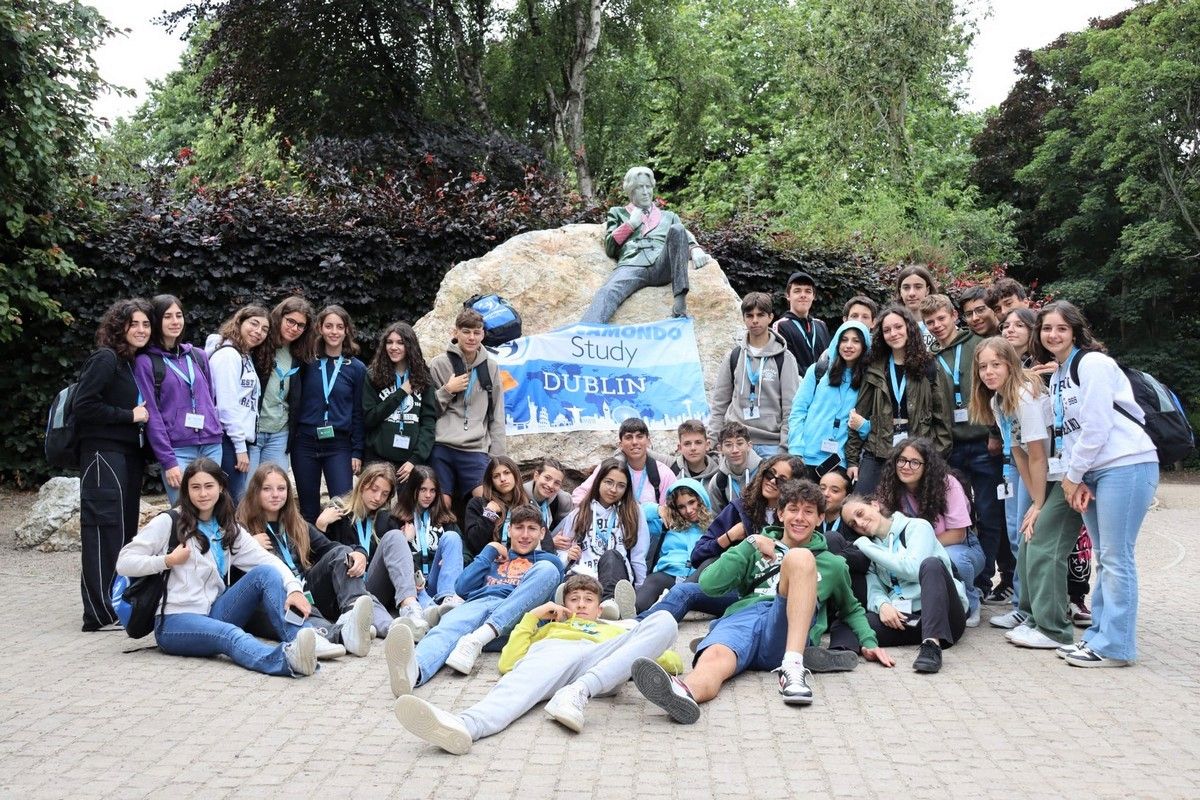
Different pathways, more elective subjects and new ways of assessing students: studying secondary school outside Spain opens the door to other ways of learning and choosing one's future. Giocamondo Study examines the differences between international education systems and offers guidance to help students adapt to new subjects, methods, routines and ways of living together during their academic and cultural experience abroad
Studying the same school year in another country does not necessarily mean having the same educational experience. Although the content may be similar, the organisation of educational stages, the range of subjects, teaching methods and assessment practices differ, allowing students to discover other ways of learning. Giocamondo Study, experts in international mobility, examines the main differences between education systems in different countries and offers guidance and practical advice to help students adapt to new subjects, methods, routines and ways of living together during their academic and cultural experience abroad.
In an increasingly international educational context, school mobility plays an important role in complementing academic education. According to estimates by the Spanish Association of Promoters of Courses Abroad (ASEPROCE), between 16,000 and 18,000 Spanish students complete part of their education outside Spain each year. The association expects the number of students spending a full academic year abroad to approach 20,000in 2026, following several years with up to 18,000 participants.
Countries such as Ireland, Canada, the United States and England offer models with different pathways, assessment systems and curricula, allowing Spanish students to broaden both their academic and personal horizons.
"Studying in another country allows students to discover that there is no single way to learn or organise education. The aim is not to replace what students have learned in Spain, but to broaden their perspectives, give them new tools and help them get to know themselves better," says Luciana Amato, project manager for the school year abroad programme at Giocamondo Study.
Different academic pathways and greater choice
One of the main differences between education systems is how stages are organised, when specialisation begins and how much scope students have to choose their subjects. In Spain, compulsory secondary education (ESO) provides a general education until age 16, after which different options open up, such as the Bachillerato or vocational training. In other countries, subject choices may come earlier or carry more weight in shaping a student's academic pathway.
In England, for example, decisions begin to gain importance between the ages of 14 and 16. Students can then choose from different routes, such as A levels, which usually focus on three subjects, technical education or apprenticeships, which combine employment and learning. In Canada, where each province organises its own education system, compulsory and elective subjects are combined to earn the credits needed for a diploma. In the United States, the subjects offered and requirements also vary by state and school district.
Ireland offers a particularly interesting option: Transition Year, a year between the Junior Cycle and the final two years of secondary school that allows students to explore their interests through projects, activities and experiences related to their surroundings and the world of work, without a final state examination. Its aim is to provide time for students to get to know themselves and discover new interests before making academic decisions. In British Columbia, Canada, meanwhile, subjects such as Career-Life Education and Career-Life Connections connect learning with personal skills, career guidance and future opportunities, and are part of the graduation requirements.
Learning about these models allows students to discover different ways of combining general education, subject choice and specialisation, broaden their perspectives and reflect on which pathways best suit their interests and goals.
Different classes, new knowledge and other ways of assessing students
Rather than subjects that do not exist in Spain, the difference lies in what is offered and how the curriculum is organised. In British Columbia, Canada, for example, students may find subjects such as culinary arts, digital media development, entrepreneurship or automotive technology, although availability depends on each school. The emphasis placed on each discipline also varies: taking it as a standalone subject, with several hours a week and its own projects, offers a different experience from covering its content within another subject. In addition, subjects such as history, literature or civics allow students to learn about their host country from its own perspective.
Teaching methods and assessment systems also differ. The combination of instruction, research, exercises, projects, presentations and exams, as well as the importance given to each activity, varies by country and school. "This does not mean that memorisation is the only predominant method in Spain, since assessment in ESO is also continuous, formative and integrative," says Luciana.
In Ireland, for example, Senior Cycle assessment combines, depending on the subject, written and oral tests, assignments and practical components, although final exams still play an important role. For international students, understanding these differences means learning what is expected of them and how to demonstrate their knowledge through a variety of formats.
Adaptation, independence and support: learning beyond the classroom
Studying in another country involves adapting to new routines, schedules, activities and ways of interacting with others. Some cultural conventions also change, such as how students address teachers, participate in class or approach punctuality and mobile phone use.
This process can bring homesickness, uncertainty or fatigue from communicating in another language. In addition, language progress is not always linear: everyday skills may develop at a different pace from academic skills, which require more specialised vocabulary. Practice, a stable routine and participation in activities such as clubs or sports make it easier to integrate and help build confidence.
The experience also develops skills such as independence, organisation, communication and flexibility. Students learn to manage their expenses, arrange travel, collaborate with classmates from different backgrounds and deal with new situations. "To make this adjustment easier, Giocamondo Study supports students and their families from the initial preparation through to monitoring during their stay, with a designated contact person and support from the resources available at each school, such as tutoring, guidance, language support or wellbeing services," concludes Luciana Amato.
In this way, spending an academic year in another country goes far beyond learning a language: it complements the education received in Spain with new perspectives, methods and ways of relating to others. It is an experience that allows students to develop independence, gain confidence, broaden their horizons and discover new academic and professional interests, returning better equipped to navigate different environments and make decisions about their future.
https://gironanoticies.com/en/different-ways-to-study-secondary-school-a-look-at-international-education-models/